
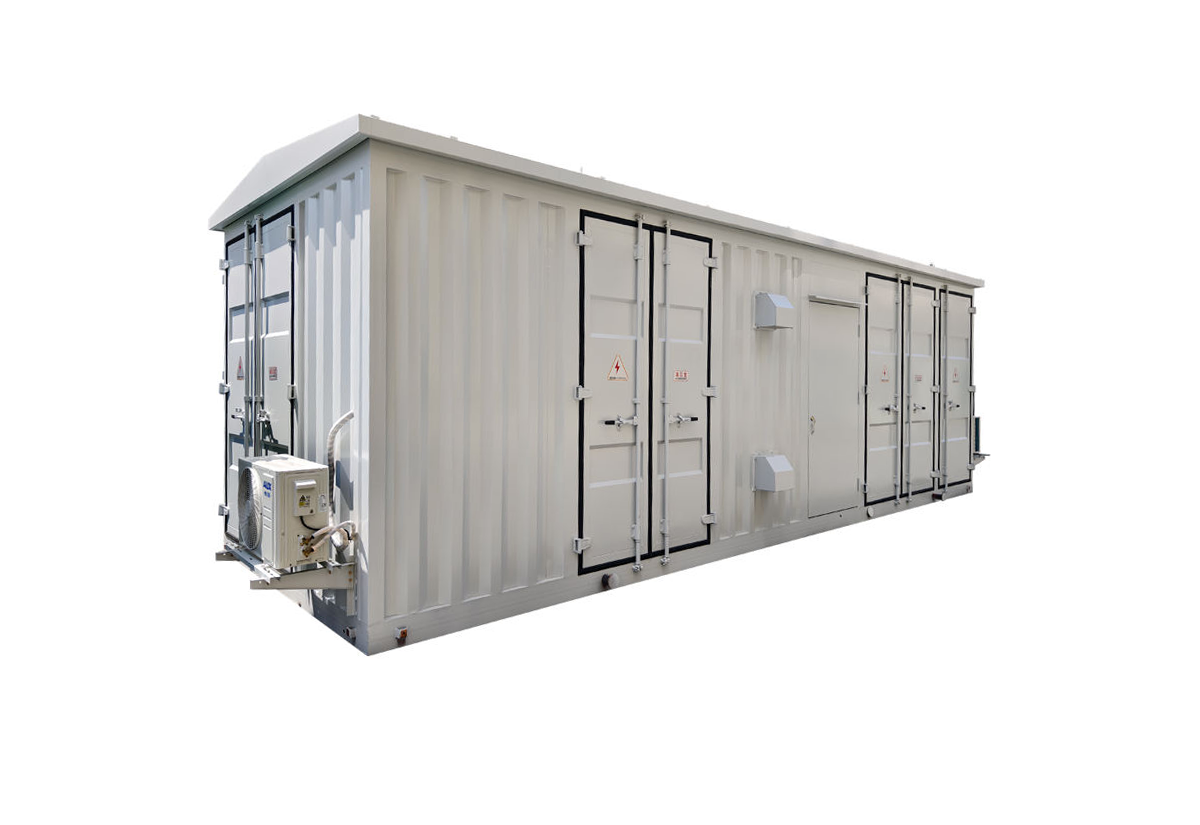
YBW Photovoltaic Prefabricated Substation (Container Type)
GOHO YBW-40.5/0.315~0.69(PV) container-type prefabricated substation — purpose-built for solar and wind farms. Integrates 40.5kV HV switchgear, step-up transformer, and LV distribution in a single mobile container unit. 1000-5000kVA capacity with amorphous alloy or S20 energy-efficient transformers, honeycomb double-layer enclosure, and intelligent four-remote monitoring.
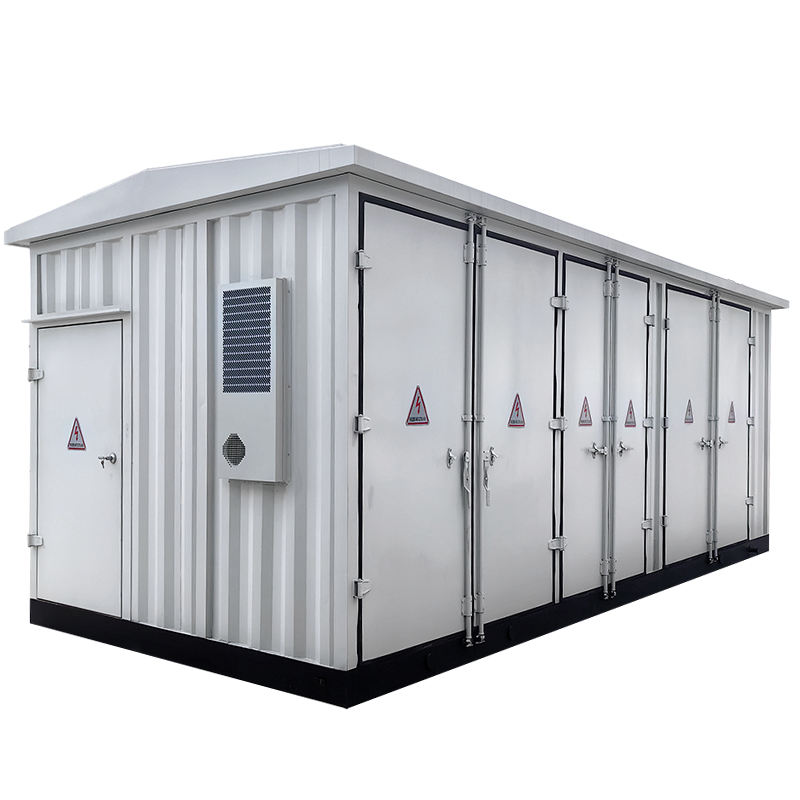


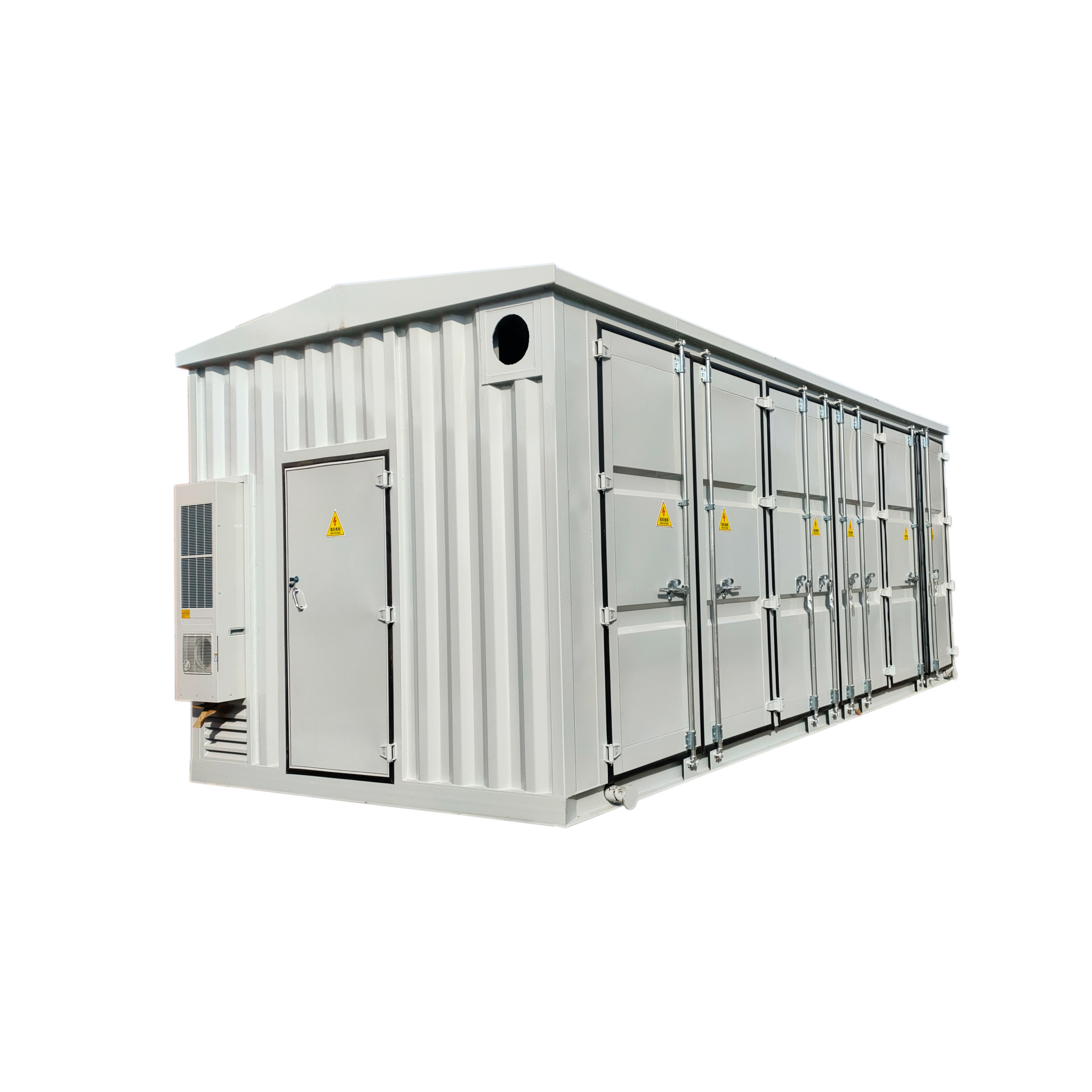

Containerized Substation for Renewable Energy
The key grid-connection unit for solar and wind farms — all-in-one power collection, step-up transformation, and MV distribution in a mobile container.
Purpose-Built for Solar & Wind Power Plants
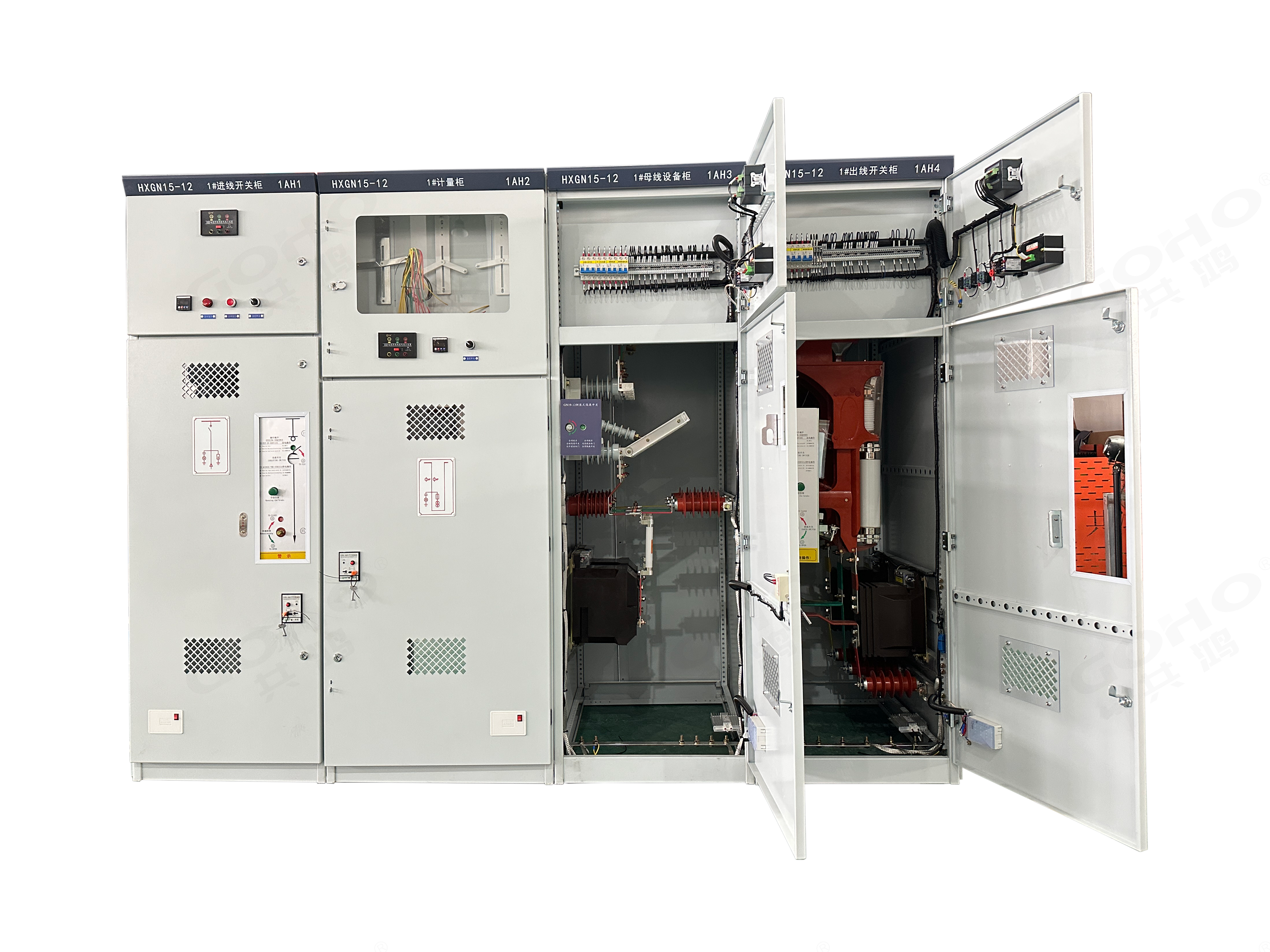
The GOHO YBW-40.5/0.315~0.69(PV) photovoltaic prefabricated substation is a container-type integrated power distribution solution designed specifically for renewable energy applications. It serves as the critical power collection and grid-connection point in photovoltaic and wind power plants, integrating high-voltage switchgear, a step-up transformer, and low-voltage distribution equipment into a single standardized container enclosure.
Designed for large-scale utility solar farms and remote installations, the YBW series handles the demanding requirements of outdoor operation in harsh environments — wide temperature swings, high humidity, dust, and UV exposure. The unit steps up inverter output voltage (315V–690V) to 40.5kV for direct connection to the medium-voltage collection network, significantly reducing transmission losses compared to low-voltage collection schemes. The proprietary double-layer honeycomb enclosure provides superior thermal insulation, structural strength, and natural ventilation.
- 40.5kV HV step-up for utility-scale solar & wind farms
- 1000kVA to 5000kVA capacity — customized per project
- Amorphous alloy or S20 ultra-low-loss transformers
- HV: SF6 load break switch + fuse or vacuum breaker (up to 1250A)
- LV: MCCB or ACB compatible with inverter output specifications
- Double-layer molybdenum-zinc honeycomb panel enclosure
- Four-remote intelligent monitoring (SCADA-ready)
- Anti-condensation heaters and ventilation system
- IP44 / IP54 protection for harsh outdoor environments
- Rapid deployment — arrives pre-wired and factory-tested
YBW PV Prefabricated Substation Specs
Complete technical parameters for the container-type photovoltaic prefabricated substation.
| Model | YBW-40.5/0.315~0.69(PV) — Container Type |
|---|---|
| Rated Voltage (HV Side) | 40.5kV (35kV class) |
| Rated Voltage (LV Side) | 315V / 400V / 480V / 690V AC (inverter-compatible) |
| Rated Capacity Range | 1000kVA – 5000kVA (customizable per project) |
| Rated Frequency | 50Hz / 60Hz |
| Transformer Type | Oil-immersed, self-cooling (ONAN) — Amorphous alloy or S20 series low-loss |
| No-Load Loss (Amorphous) | ≥ 30% lower than S11 standard |
| HV Protection | SF6 load break switch + fuse / Vacuum circuit breaker (up to 1250A) |
| LV Incoming | Main MCCB or ACB — compatible with PV inverter specifications |
| Vector Group | Dyn11 (standard) · Other configurations on request |
| Enclosure Type | Container-type, double-layer molybdenum-zinc honeycomb panel |
| Enclosure Material Options | Stainless steel / Molybdenum alloy / Cold-rolled plate / Color steel plate |
| Degree of Protection | IP44 / IP54 (configurable) |
| Ambient Temperature | -25°C ~ +40°C |
| Altitude | ≤ 1000m (derated above 1000m) |
| Relative Humidity | Daily avg ≤ 95%; Monthly avg ≤ 90% |
| Cooling Method | ONAN (Oil Natural Air Natural) with forced ventilation option |
| Intelligent Monitoring | Four-remote (遥测/遥信/遥控/遥调) · SCADA / DCS compatible |
| Anti-Condensation | Built-in heaters + ventilation system |
| Installation Type | Skid-mounted container · Outdoor ground-level installation |
| Applicable Standards | IEC 62271-202, GB/T 17467, IEC 60076 |
Engineered for the Demands of Renewable Energy
Built to maximize energy harvest and minimize losses in utility-scale solar and wind installations.
40.5kV Step-Up Design
Steps inverter output (315-690V) directly to 40.5kV MV collection — dramatically reduces cable costs and transmission losses in large solar farms.
Integrated Container Design
HV switchgear, transformer, and LV equipment all in one container unit — factory-assembled, plug-and-play deployment on skid mounts.
Ultra-Low Loss Transformer
Amorphous alloy core cuts no-load loss by 30%+ vs S11. S20 option available. Maximizes energy harvest and improves project ROI.
Honeycomb Double-Layer Enclosure
Patented molybdenum-zinc honeycomb shell delivers exceptional mechanical strength, thermal insulation, and natural heat dissipation.
Four-Remote Smart Monitoring
Remote measurement, signaling, control, and regulation. Fully compatible with SCADA/DCS for unmanned plant operation.
Anti-Condensation System
Built-in heaters and intelligent ventilation prevent internal condensation in high-humidity environments — critical for reliable electronics.
Comprehensive Protection
Full HV and LV protective relaying with short-circuit, ground fault, overload, and overvoltage protection — safe and reliable.
Multiple Material Options
Choose from stainless steel, molybdenum alloy, cold-rolled plate, or color steel to match environmental and budget requirements.
Fast Deployment & Relocation
Skid-mounted container design means fast installation and easy relocation — ideal for temporary or phased renewable energy projects.
Built for Renewable Energy & Beyond
The go-to solution for utility-scale renewable energy plants and distributed power systems.
Utility-Scale Solar Farms
Centralized PV power plants 10MW+
String & Distributed PV
Commercial rooftop & ground-mount systems
Wind-Solar Hybrid
Hybrid renewable energy power plants
Energy Storage Systems
BESS power collection & grid connection
Industrial Park Solar
Industrial & commercial rooftop PV
Remote Microgrids
Off-grid & island distributed energy
Certified for Global Renewable Projects
Manufactured and tested in compliance with international standards for substation equipment.
Frequently Asked Questions
Common questions about PV prefabricated substations. Have a specific project requirement? Our engineering team can help.
A photovoltaic (PV) prefabricated substation is a containerized unit that combines a step-up transformer, medium-voltage switchgear, and low-voltage distribution equipment into a single, factory-assembled package. In solar farms, solar inverters produce low-voltage AC (typically 315V to 690V) that needs to be stepped up to medium voltage (35kV or 40.5kV) for efficient transmission to the grid connection point. The PV prefabricated substation performs this step-up function along with protection, metering, and switching — all in a compact, weatherproof container that's quick to deploy in the field. It's essentially a compact substation purpose-built for renewable energy collection systems.
Sizing depends on the total DC capacity of your solar array, the number and rating of inverters, and the desired oversizing ratio. As a rule of thumb, the transformer kVA rating is typically 80-100% of the total inverter AC output capacity. For example, a 5MW solar farm with 5MW of inverters might use a 5000kVA transformer, or multiple smaller units (e.g., two 2500kVA) depending on array layout. The LV voltage must match your inverter output (270V, 315V, 400V, 480V, or 690V). The HV side is typically 35kV/40.5kV for utility-scale plants. Send us your single-line diagram or inverter list and our team will recommend the optimal configuration, including whether to use one large or multiple smaller substations for better redundancy.
The main difference is in no-load (core) losses and cost. Amorphous alloy transformers have the lowest no-load losses — typically 30% lower than S11 series — making them ideal for applications where the transformer is energized 24/7 but load varies significantly (like solar farms, which produce no power at night). S20 series transformers also have very low losses, but use traditional silicon steel core material with optimized design. Amorphous alloy units have a higher upfront cost but better payback in high-utilization or variable-load scenarios. For solar projects, amorphous alloy is generally preferred because the no-load loss savings during overnight hours accumulate significantly over 25+ years. We'll provide a detailed energy loss calculation for your specific project.
Yes, absolutely. Our YBW series comes with integrated intelligent monitoring that supports the "four-remote" functions: telemetry (remote measurement), telesignal (remote signaling), telecontrol (remote control), and teleregulation (remote regulation). The unit communicates via standard protocols including Modbus RTU/TCP, IEC 61850 (optional), and proprietary protocols compatible with major SCADA/DCS platforms. You'll be able to monitor voltage, current, power, energy, temperature, switch status, and alarms remotely, as well as control breakers and adjust settings from your central control room. We can work with your system integrator to ensure seamless integration.
The unit arrives as a complete, factory-assembled container on a skid base. Transport is typically by flatbed truck — standard container dimensions make it compatible with standard trucking and shipping. On site, you'll need a prepared foundation (concrete pad or gravel base with load-bearing capacity), and then the unit is lifted into position by crane or rolled on skates. Installation work is minimal: connect HV cables, LV cables from inverters, ground/earthing, and communication cables. After insulation tests and commissioning checks, the unit is ready to energize. Total on-site time is typically 3-7 days, compared to weeks for a traditional built-up substation. We provide detailed installation drawings and can offer on-site commissioning support.
Our PV prefabricated substations include comprehensive protection tailored for solar applications. On the HV side: SF6 load break switch with fuses or vacuum circuit breaker with relay protection, including overcurrent, earth fault, and overvoltage protection. On the LV side: main circuit breaker with overload and short-circuit protection, plus surge protection (SPD) for lightning and switching surges. Additional options include: reverse power protection (anti-islanding), over/under frequency protection, DC injection monitoring, transformer temperature protection with alarm/trip, and arc fault protection. For utility-scale projects, we recommend the vacuum breaker configuration with full numerical relay protection for maximum protection and remote monitoring capability.

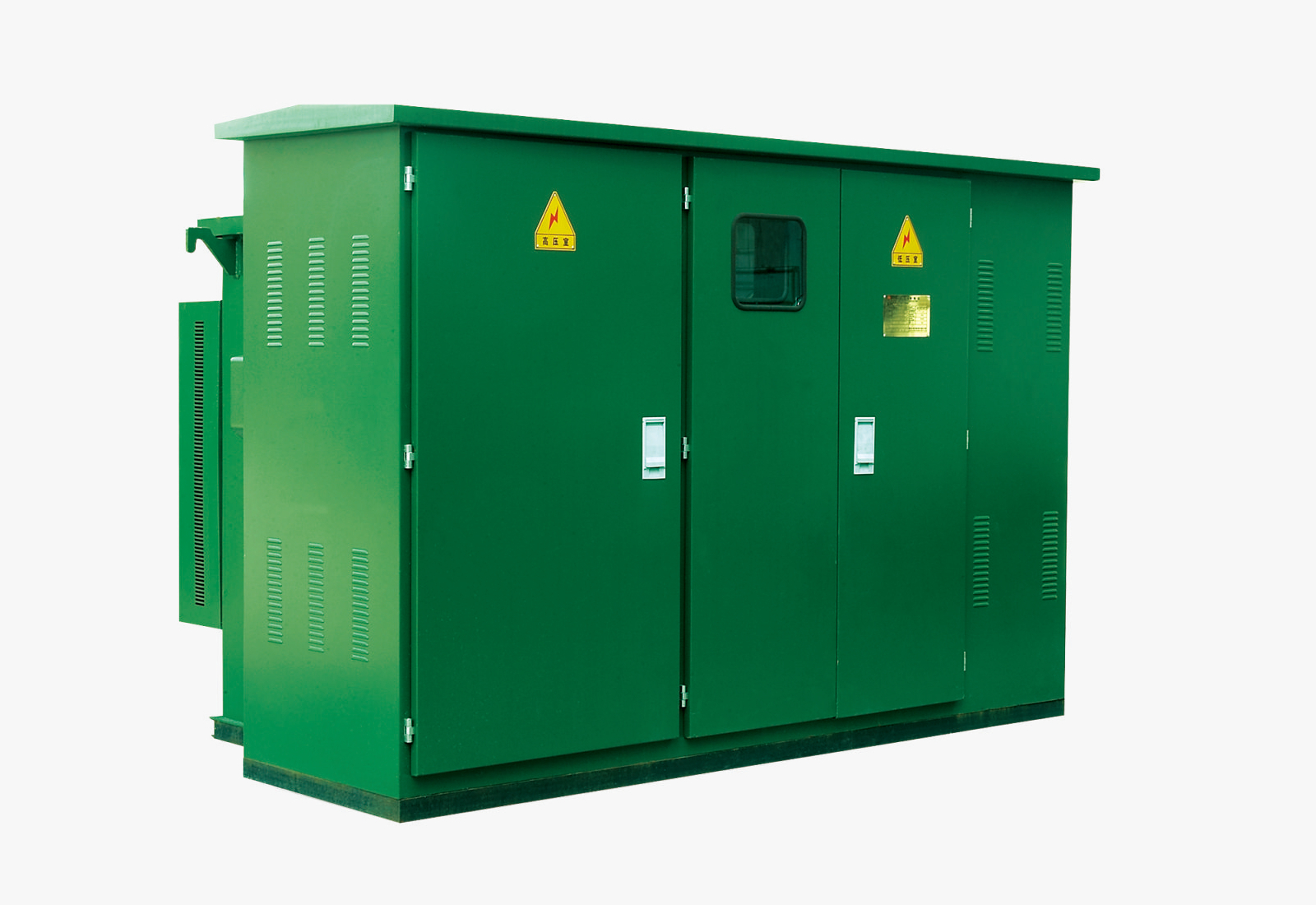
Design Your PV Substation
Send us your solar farm layout and inverter specifications. Get a custom-designed prefabricated substation with detailed energy loss analysis.
Get a Project Quote